

The Federal University Oye-Ekiti Campus Microgrid Project in Nigeria
- Location: Nigeria
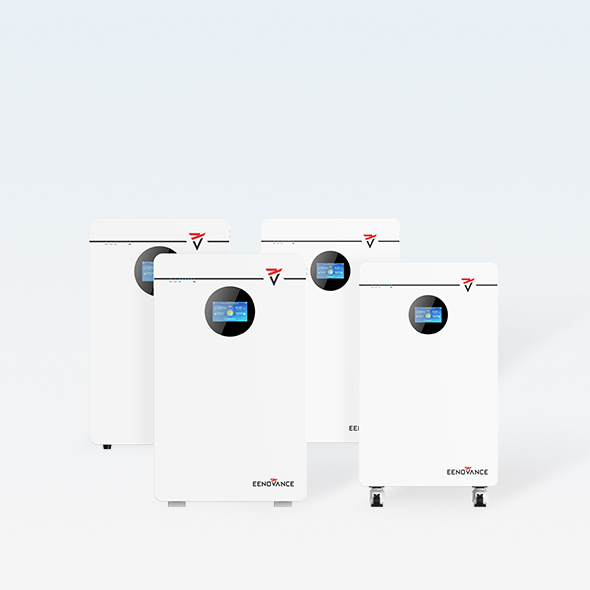
- Configuration: 6 * MANA 16.0
- Capacity: 96 kWh
- Application: PV + ESS + Microgrid
- Year: 2026




Background
Institutional facilities in Nigeria have long struggled with a heavy reliance on diesel generators. The Pre-Degree Campus of the Federal University Oye-Ekiti (FUOYE), located in southwestern Nigeria, faced this exact challenge. Critical areas across the campus—including the healthcare center, administrative offices, student classrooms, and lecture pavilions—required a continuous and reliable power supply to function properly. The importance of stable electricity in healthcare and educational institutions cannot be overemphasized, yet the conventional approach of relying on a separate generator for every building was inefficient and unsustainable.
Solution
To address this diesel dependency, Beeg Energy NG initiated a project with the objective of transforming the campus facilities into an intelligent, sustainable virtual power plant. Frontier Solar Technology Limited, led by Ajayi, Timothy Oluwajare, was appointed as the turnkey EPC (Engineering, Procurement, and Construction) partner to manage the end-to-end execution—from system design and technology procurement to the construction and operation of the micro-grid.
Instead of a fragmented power setup, the team deployed a unified generation, storage, and control system. The entire power plant is housed quietly within a single container on the campus. The hardware setup features 60 kWp of on-site solar generation, two wall-mounted 20 kVA inverters, and six units of EENOVANCE MANA 16.0 battery storage cabinets providing a total capacity of 96 kWh.
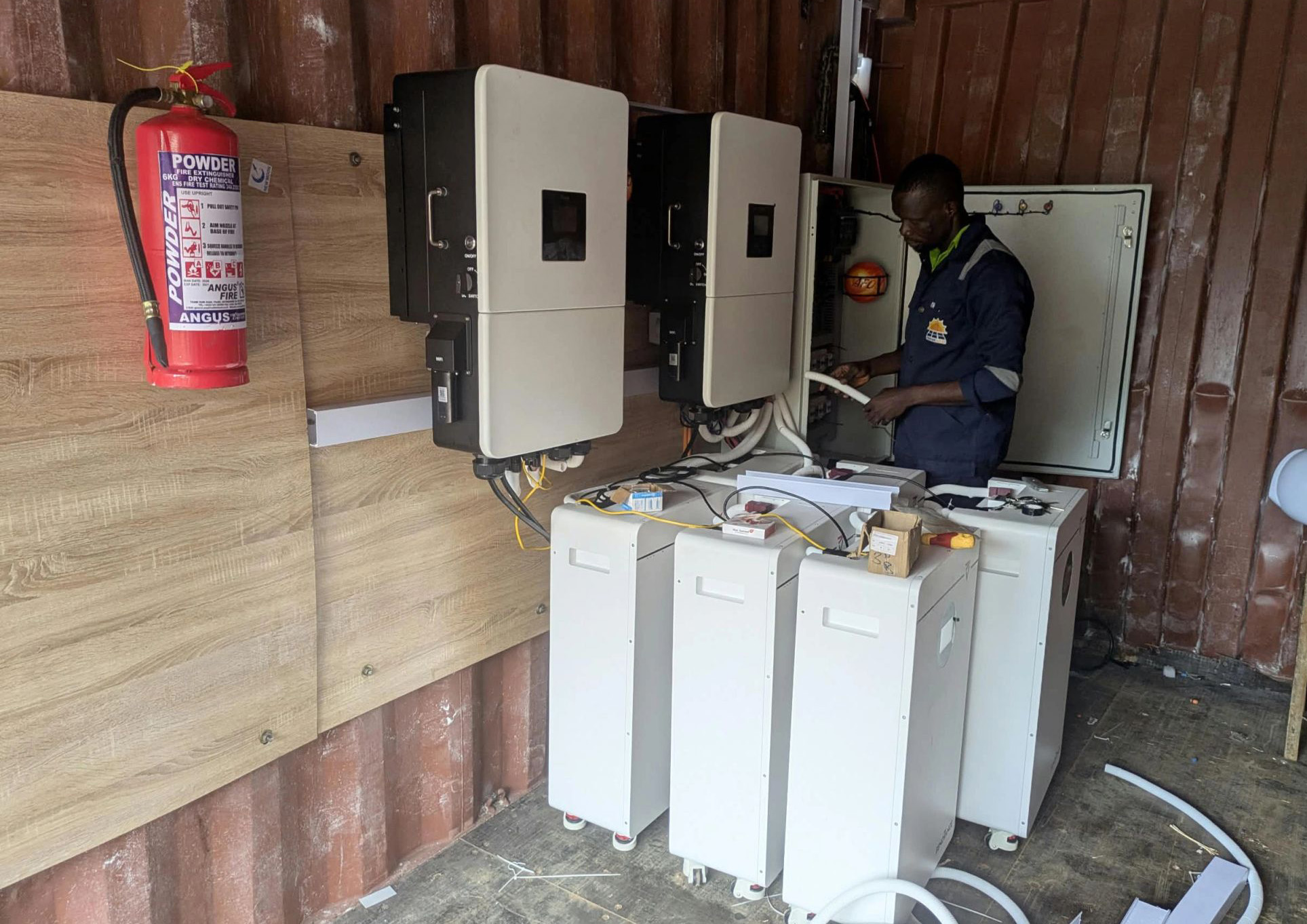
Now, the university campus no longer has to wait for a generator to start. When the sun is up, the campus runs on solar power; when it is not, the Eenovance battery storage system seamlessly takes over the load. This single supply system successfully sustains the campus's core activities: it secures urgent care at the healthcare center, keeps administrative work running, and ensures that student lessons and group lectures continue uninterrupted throughout the day. Through this collaborative effort, the project successfully transitioned the institution's electricity infrastructure from a burdensome cost center into a resilient, efficient, and sustainable energy platform.